What do you do when you know you’re going to take the fall for risks you raised that weren’t listened to?
A forward looking, independent review puts you on the front foot – so you can secure the decisions/resources you need to deliver the project.
A health check, not a performance review
The diagnostic assesses program health across structural factors — many of which sit above your authority as a Program Manager. Business readiness, executive sponsorship quality, environmental support, resourcing decisions, and organisational adoption risk are all assessed alongside delivery execution.
This distinction matters. The diagnostic compares structural and business conditions with benchmark data. It identifies where the program is exposed and what conditions are required to proceed — not who is at fault. Factors outside your control are documented as structural issues, not attributed as performance findings.
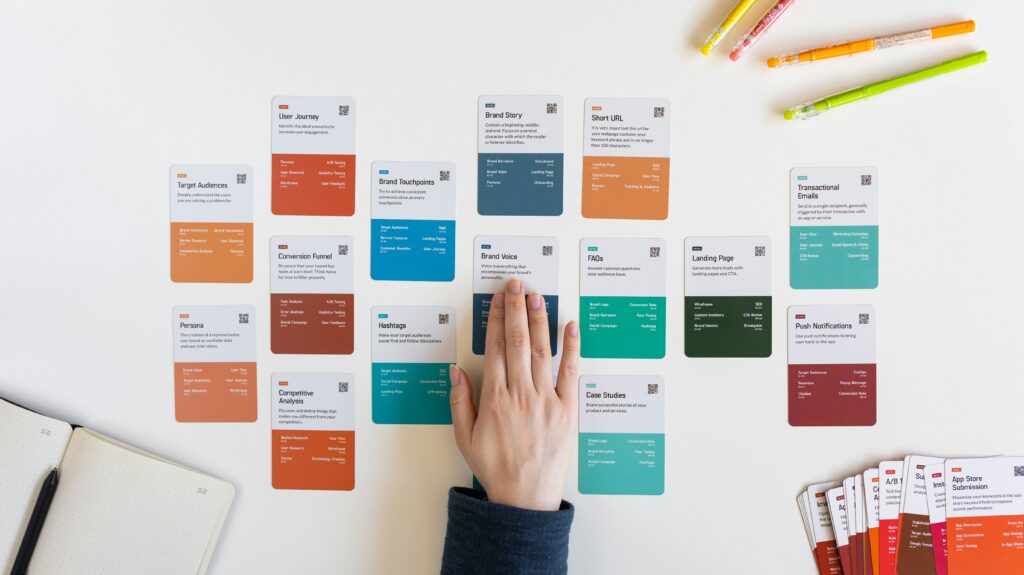
The diagnostic is designed to be constructive and forward looking — a health check that identifies what the program needs, not a performance review that assigns blame.

How the Alignment Index works for you
Multiple stakeholders respond independently. Where views diverge — where you flag resourcing risk and the Sponsor rates it green, or where you report schedule pressure and the PMO does not — that divergence is documented in the Alignment Index as a governance signal.
The divergence is noted against overall stakeholder ratings of program dimensions, without being attributed to a role or an individual. They show, e.g. a 50% divergence in stakeholder ratings of decision speed, without displaying individual answers, and the benchmark shows how programs with similar divergence patterns actually performed.
Your concerns are no longer “the Program Manager is being negative.” They are a documented stakeholder disagreement, benchmarked against comparable programs, that the governance forum must address. If you have been raising risks and they have been dismissed, the Alignment Index converts those concerns from opinion into evidence.
What you receive
The output is forward-looking — conditions-to-proceed, not a verdict on the program or its team:
- Conditions-to-proceed with owner roles and timeframes — addressing the structural barriers you have been flagging
- A 90-day action plan identifying the highest-lift interventions with accountability
- An escalation pathway if the diagnostic signals major risk — tightly scoped, not open-ended
- A Governance Decision Memo documenting what was assessed, what was found, and what conditions were set
The action plan addresses resourcing gaps, timeline pressures, sponsorship quality, and business readiness issues with independent evidence and named owners. These are the structural concerns that sit above your authority — now documented with data the governance forum cannot ignore.
When embedded as a standing control across the portfolio, the diagnostic gives you something no amount of internal reporting can provide: a level playing field for assessing project performance.
Your role in the process
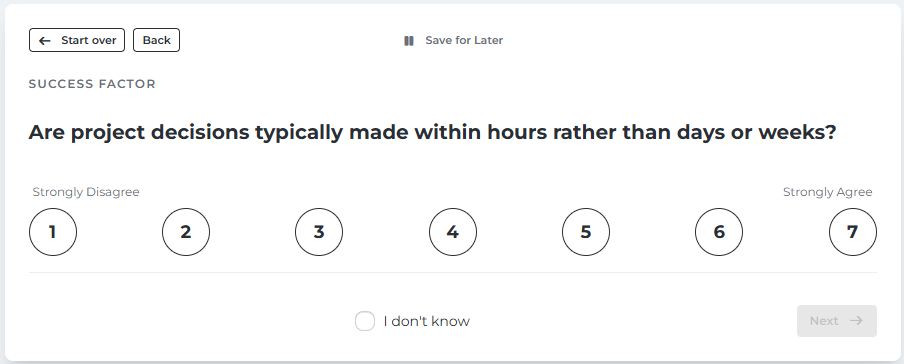
You complete a structured diagnostic and attest that your inputs reflect delivery reality as you see it. You are providing evidence for a governance record. You are not being assessed.
Where your inputs diverge from other stakeholders, the Alignment Index records the divergence as a governance signal indicating a risk to be managed – without attributing inputs to a role or person.
The Snapshot Review
The decision to do an Assurance Review is, like everything else you’ve been asking for, probably out of your hands. That’s why we provide a free ‘Snapshot Review’ for you to start the conversation. It’s a single questionnaire, with the exact same questions and backed by the same robust methodology as the full Assurance Review, but it goes to you alone, for free. It’s 30 questions and will provide you an immediate report which includes:
- An initial risk rating with key risk areas
- A benchmark project performance percentile against our dataset of 2,000 projects
A free snapshot review requires zero financial investment and 10-15 minutes to complete a short questionnaire, which gives you a benchmarked risk assessment you can use to start conversations and get the resources you need – without getting brushed off as a complainer.